
Why Global Buyers Source Natural Sugar from Indonesian Exporters and Suppliers
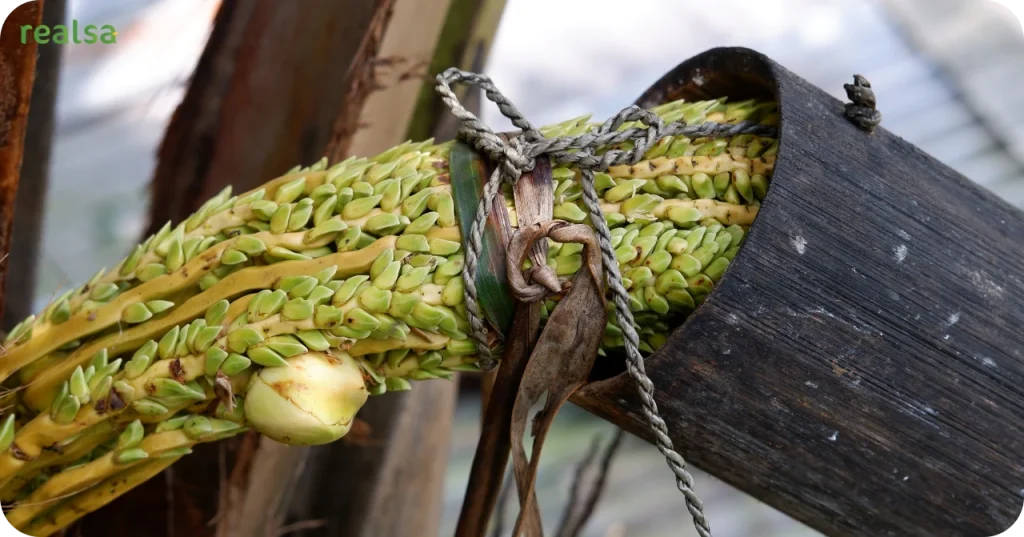
Global demand for natural sugar continues to rise as food and beverage manufacturers adapt to evolving consumer preferences. Today, buyers look beyond sweetness and price alone. Instead, they prioritize ingredient origin, processing transparency, supply stability, and supplier credibility. As a result, Indonesia has become a preferred sourcing destination for natural sugar, particularly natural coconut sugar.
Moreover, Indonesia offers a strong combination of agricultural availability, skilled producers, and export-oriented experience. Producers obtain natural coconut sugar by tapping coconut sap and processing it through controlled heating and drying. This method preserves natural characteristics while supporting scalable production. Consequently, Indonesian suppliers can meet international demand without compromising product integrity. As clean-label trends expand globally, buyers increasingly integrate Indonesian natural sugar into diverse product categories.
Within this landscape, Realsa focuses on serving export markets with consistent quality and structured processes. Rather than prioritizing short-term transactions, Realsa emphasizes transparency, specification alignment, and long-term cooperation. Therefore, buyers can rely on stable supply that supports competitive positioning.
Overall, this article explains why global buyers source natural sugar from Indonesian exporters. It explores production advantages, sourcing practices, quality control systems, export logistics, and Indonesia’s ability to support growing clean-label demand.
Indonesia’s Advantage in Natural Sugar Production
First, Indonesia benefits from vast coconut-growing regions and long-established farming practices. Coconut trees thrive year-round in the tropical climate, enabling continuous sap harvesting. As a result, producers maintain stable raw material availability and support consistent export supply. Consequently, buyers gain greater confidence in long-term sourcing.
Moreover, Indonesia relies on extensive smallholder farming networks. Farmers actively collect fresh sap and supply nearby processing units on a daily basis. This decentralized model reduces regional dependency and improves supply resilience. Therefore, exporters can continue deliveries despite short-term local disruptions.
In addition, processing methods strengthen Indonesia’s competitive position. Producers apply controlled heating to preserve flavor, color, and functional properties. Over time, facilities have improved efficiency and hygiene to meet international manufacturing standards. Hence, the product remains suitable for large-scale applications.
From a commercial perspective, Indonesia maintains cost efficiency through local resources and skilled labor. This balance allows competitive pricing without compromising quality. Realsa leverages these advantages by aligning producer capacity with buyer demand. Ultimately, Realsa supports reliable supply and consistent quality for global markets.
Sustainability and Ethical Sourcing Practices
Today, sustainability and ethical sourcing guide many global sourcing decisions. Buyers increasingly assess how suppliers manage resources and support local communities. In this context, Indonesian natural sugar production fits well with responsible sourcing expectations. Its supply structure relies on community-based farming systems.
Moreover, small-scale farmers actively produce natural coconut sugar using non-destructive sap tapping methods. This process preserves tree health and supports long-term productivity. As a result, farming households maintain stable income while protecting environmental balance. Consequently, buyers gain access to a more sustainable raw material source.
In addition, ethical sourcing depends on transparency and fair cooperation. Indonesian exporters now strengthen traceability and work directly with farmers and processors. These practices improve quality consistency and support shared value across the supply chain. Therefore, partnerships become more resilient and accountable.
Realsa integrates responsible sourcing into its export operations. The company prioritizes long-term collaboration and clear supplier relationships. For global buyers, this approach enhances brand credibility and supply confidence. Ultimately, ethical sourcing adds strategic value beyond the product itself.
Quality Control in Natural Sugar Processing

Quality control plays a key role in natural sugar exports, especially for regulated food markets. Therefore, buyers require stable color, taste, moisture, and granulation. Indonesian exporters apply structured systems to meet these technical expectations. As a result, manufacturers achieve consistent product performance.
First, quality management starts at the raw material stage. Producers process fresh sap quickly to prevent fermentation and contamination. Next, teams control temperature, heating duration, and drying conditions carefully. Consequently, processing delivers uniform physical and functional characteristics.
Moreover, many facilities use batch-based inspection systems. Common checks include:
- Moisture content
- Product cleanliness
- Color and granule uniformity
These tests occur before packaging to support traceability and audits.
Finally, Realsa aligns quality control directly with buyer specifications. Before production, Realsa defines technical requirements with each buyer. Then, the team applies disciplined handling and inspection procedures. Ultimately, this approach helps buyers reduce risk and maintain consistent supply across markets.
Export Logistics and Packaging Options
Efficient export logistics support reliable natural sugar trade. Therefore, buyers expect accurate packaging, documentation, and shipment scheduling. Indonesian exporters leverage established infrastructure and international shipping experience. As a result, they support consistent delivery performance.
Moreover, exporters adapt packaging to buyer handling and end-use needs. Common options include:
- Food-grade bags for wholesale distribution
- Cartons for protected handling
- Bulk sacks for industrial processing
Proper packaging protects products from moisture, contamination, and transit damage.
In addition, Indonesia’s major ports connect efficiently to Asia, Europe, the Middle East, and North America. This connectivity supports regular schedules and competitive lead times. Consequently, buyers can plan inventory with greater confidence.
Finally, Realsa coordinates closely with logistics partners across each export stage. The team manages shipment planning, container loading, and documentation carefully. Buyers receive timely updates on schedules and shipment status. Overall, reliable logistics strengthen long-term sourcing strategies and minimize supply chain disruption.
Meeting International Demand for Clean-Label Sweeteners
International demand for clean-label sweeteners continues to rise across global food markets. Therefore, manufacturers prioritize ingredients with clear origins and minimal processing. Natural coconut sugar meets these expectations and supports transparent product positioning. As a result, Indonesian exporters play a strategic sourcing role.
Moreover, food and beverage producers actively replace refined sweeteners with natural alternatives. They require consistent quality, stable volumes, and regulatory compliance. Indonesia supports this demand through scalable production and export-ready supply chains. Consequently, buyers can manage growth without compromising formulation stability.
In this context, Realsa supports global buyers with defined specifications and dependable supply. The company aligns production with clean-label requirements and international market standards. This approach helps brands maintain consistency and market trust. Overall, sourcing from Indonesian exporters strengthens long-term product development.
To explore partnership opportunities, buyers can connect with Realsa through Instagram, LinkedIn, and WhatsApp. For product inquiries or orders, contact Realsa directly to source Natural Coconut Sugar for global applications.
 Realsa Natural – Export Sales