
Understanding Virgin Coconut Oil Production in Indonesia for Global Markets
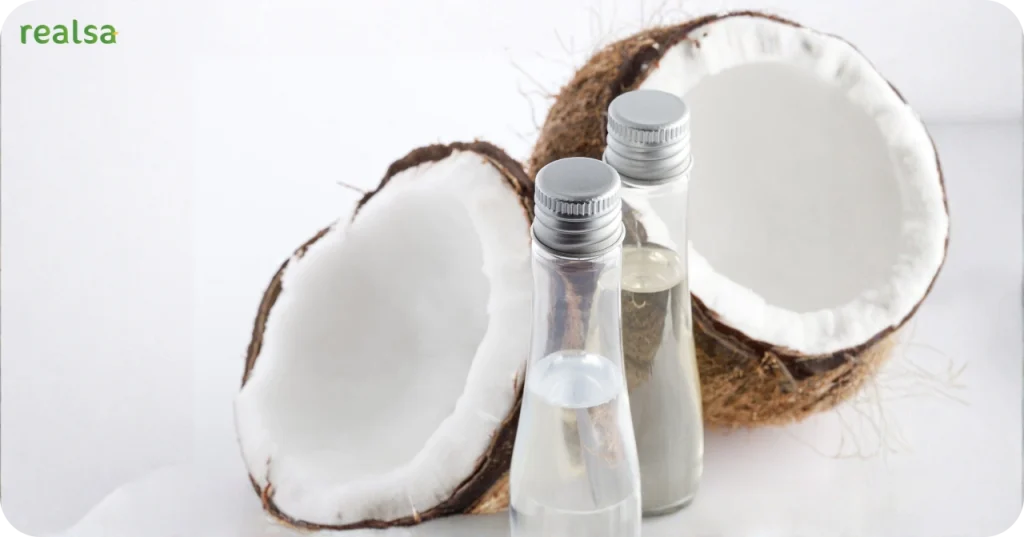
Virgin Coconut Oil (VCO) plays an important role in global food, personal care, and wellness supply chains. As demand grows, buyers increasingly assess sourcing origins based on availability, processing standards, and export reliability. Therefore, Indonesia has become a key VCO source due to its consistent coconut supply and expanding processing capacity. For global markets, importers also evaluate production quality stability, documentation, and readiness for bulk export, not only pricing.
However, VCO differs from refined coconut oil in both process and application. Producers extract VCO using methods that preserve natural composition while meeting food and cosmetic safety standards. As a result, production control becomes critical for manufacturers and exporters serving international buyers. Moreover, buyers sourcing VCO in bulk must understand how raw materials, processing steps, and quality checks affect final performance. By understanding Indonesia’s VCO production practices, global buyers can make informed sourcing decisions and reduce supply chain risk.
Overview of Virgin Coconut Oil Production in Indonesia
Indonesia supplies a significant share of virgin coconut oil to global markets due to year-round coconut availability. Coconut farms operate across Sumatra, Java, Sulawesi, and Eastern Indonesia. Therefore, producers can maintain continuous sourcing without heavy seasonal interruption. This stability supports exporters serving buyers with regular bulk demand.
VCO production in Indonesia operates at multiple scales. Small facilities often work close to farming communities, while larger plants use industrial equipment. Moreover, export-oriented suppliers manage structured supply chains to control volume and quality. As a result, they can support manufacturers requiring consistent monthly supply.
Indonesia also supports export-ready VCO production. Exporters prepare documentation aligned with international trade requirements. Consequently, buyers can evaluate products more efficiently before shipment.
Common production and export characteristics include:
- Year-round coconut sourcing from multiple regions
- Centralized processing with scheduled quality checks
- Laboratory testing for key quality indicators
- Export documentation for bulk and industrial buyers
Key Raw Materials and Processing Methods
Virgin coconut oil production relies on mature coconut meat as the primary raw material. Producers select coconuts based on freshness, maturity, and oil yield. Therefore, suppliers prioritize quick processing after harvest to reduce spoilage risk. This approach helps maintain aroma, clarity, and functional stability.
Next, producers clean the coconut meat to remove impurities. They grate the meat and extract coconut milk as the base material. Subsequently, suppliers apply controlled processing to separate oil from water and solids. Although methods vary, producers consistently aim to preserve natural composition.
Many Indonesian manufacturers use cold-process techniques to limit heat exposure. They separate oil using settling, controlled fermentation, or centrifuge systems. In addition, some facilities apply drying and filtration to stabilize moisture levels. Process control and hygiene remain essential at every stage.
Key processing characteristics include:
- Use of mature, freshly harvested coconuts
- Rapid handling and controlled extraction
- Cold-process separation with minimal heat
- Filtration and moisture stabilization for bulk supply
Quality Parameters for Export-Grade VCO Production

Export-grade VCO depends on clear and measurable quality parameters. Global buyers assess these parameters to ensure safety, stability, and suitability for bulk distribution. Therefore, suppliers and exporters apply standardized testing before shipment.
First, moisture content directly affects shelf life and storage performance. Next, free fatty acid levels indicate raw material handling and process control. Peroxide value measures oxidation and freshness during storage and transport. Buyers also review clarity to confirm proper filtration and handling.
In addition, aroma and appearance influence buyer acceptance. Producers maintain clean coconut aroma through controlled storage and food-grade handling. They also prevent contamination by using clean tanks and sealed containers. As a result, exporters reduce quality variation across batches.
Common export quality indicators include:
- Moisture content for shelf-life stability
- Free fatty acid (FFA) levels for processing discipline
- Peroxide value for oxidation control
- Visual clarity and clean coconut aroma
Finally, buyers often request a Certificate of Analysis (COA) for verification. Depending on market rules, suppliers may add microbiology or heavy metal tests. Export-ready manufacturers usually prepare these documents during sourcing and processing stages.
Market Applications of Virgin Coconut Oil
Virgin Coconut Oil serves multiple industries due to its stable structure and broad formulation compatibility. Manufacturers use VCO across food, personal care, and wellness sectors. Therefore, understanding application needs helps buyers plan sourcing and specifications.
In the food industry, manufacturers apply VCO in cooking oils, bakery inputs, spreads, and processed formulations. They value its heat stability and neutral sensory profile. As a result, VCO fits both traditional and functional food development.
In personal care, brands incorporate VCO into skincare and haircare formulations. Producers blend it easily with other oils and active ingredients. Consequently, manufacturers use it as a base component in lotions, soaps, balms, and conditioners.
Common market applications include:
- Food manufacturing: cooking oils, bakery, functional formulations
- Personal care: lotions, soaps, haircare, cosmetic bases
- Wellness products: supplements and nutritional blends
In wellness markets, buyers prioritize consistent quality and long-term supply. Thus, supplier reliability and quality control outweigh short-term price considerations.
Read Also: Trusted Indonesian Virgin Coconut Oil Exporter for Food, Cosmetic, and Wellness Industries
How Indonesian Producers Meet Global Demand
Indonesian VCO producers meet global demand through structured sourcing and export-oriented operations. They build supply chains that connect farmers, collectors, and processing facilities. As a result, producers can maintain steady raw material flow and consistent production schedules.
Producers apply standard operating procedures to support quality consistency. They manage hygiene control, filtration, and storage under defined parameters. Consequently, exporters can deliver VCO that meets common international expectations for bulk sourcing.
Export readiness also depends on packaging and logistics control. Suppliers adjust formats based on buyer requirements and shipment volume, such as:
- Food-grade jerry cans for small bulk orders
- Drums or IBC tanks for industrial use
- Container-based bulk loading for large-scale shipments
Proper packaging reduces contamination, leakage, and odor transfer during transit.
Documentation remains another critical requirement. Exporters prepare specifications, Certificates of Analysis, MSDS, and shipment documents. They also support batch identification and traceability when requested, which helps smooth customs clearance.
Overall, global VCO sourcing requires suppliers who understand production, quality, and export processes. Indonesian producers continue improving systems to support long-term buyer partnerships. Realsa Natural supports this approach by assisting buyers with sourcing, documentation, and bulk export handling. Buyers may contact Realsa Natural through Instagram, LinkedIn, and WhatsApp or request VCO orders based on agreed export-grade specifications.
 Realsa Natural – Export Sales