
Organic Coconut Sugar Manufacturer and Exporter in Indonesia for Bulk and Private Label Buyers

Organic Coconut Sugar is a plant-based sweetener made from coconut blossom sap, and Indonesia plays a major role in global supply. Because coconut trees grow widely across tropical regions, the country supports large-scale and continuous production. Therefore, many international food manufacturers and ingredient distributors source from Indonesian exporters for stable volumes and consistent quality.
Moreover, industries use this sugar in food production, beverage blends, and retail packaging. In addition, manufacturers value its natural brown color and mild caramel profile for clean-label positioning. As a result, Organic Coconut Sugar fits modern demand for plant-based and minimally processed ingredients.
What Is Organic Coconut Sugar and How Indonesian Manufacturers Produce It
Organic Coconut Sugar comes from fresh coconut flower sap, and farmers collect it through controlled tapping methods. They heat the sap gradually, then concentrate and crystallize it into brown granules. Consequently, the process creates a free-flowing sweetener that retains natural flavor characteristics.
Traditional Sap Collection Practices
Farmers tap coconut blossoms carefully to protect long-term tree productivity. Meanwhile, they collect sap daily, filter it, and maintain basic hygiene during handling. As a result, early-stage control supports stable raw material quality for Indonesian exporters.
Heating and Crystallization Process
Producers evaporate water through controlled heating while workers stir continuously. Then, the liquid thickens, changes color, and forms natural crystals. Afterwards, processors dry and sieve the granules to achieve safe moisture levels.
Key characteristics:
- Light to dark brown granules
- Mild caramel-like sweetness
- Free-flowing texture when moisture is controlled
Standards Used by Indonesian Manufacturers
Export manufacturers apply structured food safety systems to meet international trade expectations. Furthermore, they monitor each production batch and record process parameters carefully. Therefore, buyers receive products that meet defined specifications and industry handling practices.
Food Safety and Quality Control
Quality teams test moisture, color, and microbiological indicators regularly. In addition, they control drying conditions to prevent clumping during storage. Consequently, factories maintain stable product performance across shipments.
Certification and Compliance
Indonesian exporters often hold certifications that support import requirements in global markets. For example, these may include organic certification, ISO food safety systems, and Halal standards. As a result, documentation helps buyers pass customs procedures more smoothly.
Quality indicators commonly reviewed:
- Moisture level
- Color range
- Granulation size
- Basic microbiological safety
Private Label and Bulk Packaging Options from Indonesian Manufacturers
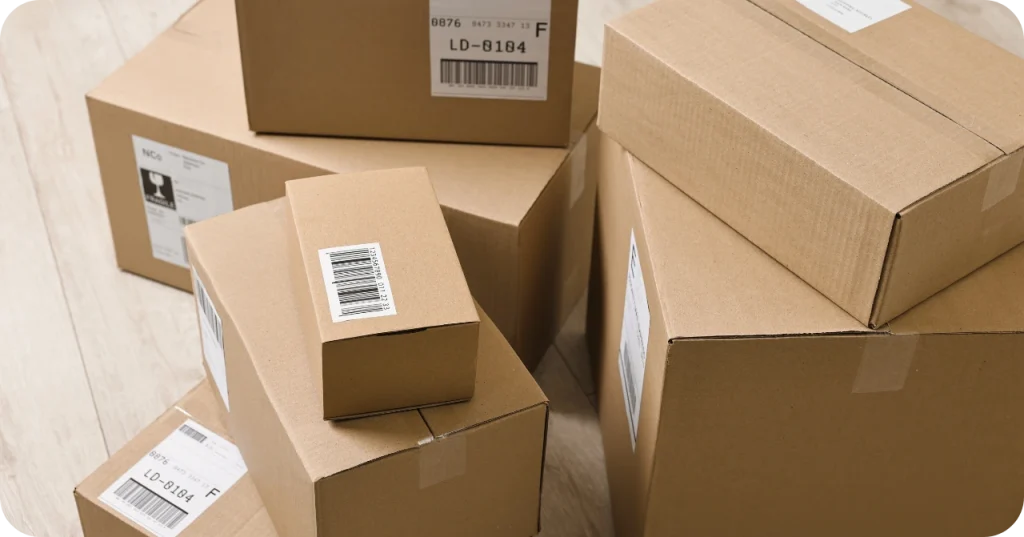
Indonesian exporters provide packaging solutions for both retail and bulk buyers. Moreover, they adjust formats to match distribution channels and logistics needs. Thus, flexible packing supports different market entry strategies.
Retail and Private Label Formats
Manufacturers pack products in small retail sizes for supermarkets and specialty stores. They also print custom labels and follow local labeling rules. Therefore, brands can enter markets faster with ready packaging solutions.
Bulk Export Packaging
Bulk supply usually uses inner liners and outer sacks or cartons. This structure protects the sugar from humidity during sea transport. Additionally, clear labeling supports traceability and stock management.
Typical bulk specifications:
- Packing: 20–25 kg bags
- Moisture: ≤ 2%
- Shelf life: up to 24 months under proper storage
Key Benefits for Food and Beverage Industries
Organic Coconut Sugar supports multiple industrial applications across food sectors. Moreover, it provides functional sweetness while contributing natural color and flavor. Therefore, manufacturers use it in various formulations.
Applications:
- Bakery products
- Beverage powders and blends
- Confectionery fillings
- Dessert mixes
Functional benefits:
- Dissolves well in liquid systems
- Supports clean-label positioning
- Suitable for plant-based formulations
How Buyers Work with Indonesian Manufacturers
Importers usually start by defining specifications and requesting samples. Then, they review laboratory reports and packaging details before placing orders. Afterwards, exporters prepare production schedules and shipment documents.
Common sourcing steps:
- Confirm specifications
- Evaluate samples
- Review documentation
- Plan volume and shipment schedule
Read Also: Organic Coconut Sugar Exporter from Indonesia: Product Profile and Market Demand
Conclusion and Industry Collaboration Outlook
Organic Coconut Sugar connects traditional coconut farming with modern food manufacturing systems. Overall, Indonesia supports global supply through structured processing, controlled quality, and export-ready operations. Therefore, buyers who follow clear sourcing steps can maintain stable product performance and long-term supply reliability.
Furthermore, companies interested in structured sourcing can continue discussions through professional channels. Realsa Natural supports this process with clear specifications, stable packaging, and export documentation. Consequently, buyers may connect through Instagram, LinkedIn, and WhatsApp to explore Organic Coconut Sugar supply aligned with market needs.
 Realsa Natural – Export Sales