
Bulk Coconut Sugar Export from Indonesia: Pricing, Packaging, and Logistics Guide

Bulk coconut sugar refers to granulated sweetener derived from coconut sap for industrial food use. In particular, Indonesia plays a key role due to wide coconut resources and established supplier networks. Therefore, global food manufacturers and ingredient traders rely on Indonesian exporters for stable bulk sourcing.
Indonesia has broad coconut plantations across many islands. As a result, farmers harvest sap daily using controlled tapping methods. Producers then process sap through evaporation and crystallization. Consequently, exporters distribute bulk volumes through structured international logistics channels.
Bulk coconut sugar supports various industrial supply chains. For example, food manufacturers use it in processed formulations. Meanwhile, traders repackage it for regional distribution. Thus, buyers must understand grades, pricing, and shipping structures.
This guide explains bulk coconut sugar export practices from Indonesia. Specifically, it covers grades, pricing factors, packaging, and logistics steps. In addition, it outlines documentation and sourcing considerations.
Understanding Bulk Coconut Sugar Grades
Bulk coconut sugar grades define product characteristics, compliance level, and target market use. Therefore, buyers evaluate grades to match formulation and regulatory needs. As a result, suppliers and manufacturers align specifications before contracts.
Common grades include natural and organic coconut sugar. Natural grade follows general food safety standards. Meanwhile, organic grade comes from certified farms under audited systems. Consequently, certification bodies inspect farms and facilities regularly.
Colour helps define grade categories. Light brown sugar usually indicates controlled heating. In contrast, darker colour may result from longer cooking. Therefore, buyers specify acceptable colour ranges.
Moisture content also determines grade quality. Low moisture supports better shelf stability. However, high moisture may cause clumping. Thus, reliable exporters control drying carefully.
Granule size forms another grade parameter. Fine powder dissolves faster in beverages. Meanwhile, medium granules suit bakery mixes. Additionally, some manufacturers request custom mesh sizes.
Microbiological limits form part of industrial specifications.
Quality Indicators
- Moisture percentage range
- Granule mesh size
- Colour scale range
- Total plate count limits
- Yeast and mold limits
Organic grades require additional documentation. These include EU Organic or equivalent certification. Therefore, buyers verify validity before shipment. Consequently, proper grade understanding reduces trade misunderstandings.
Pricing Factors in International Coconut Sugar Trade
Bulk coconut sugar pricing depends on raw materials, processing control, and market conditions. Therefore, buyers assess pricing to estimate landed cost. Meanwhile, exporters and manufacturers discuss specifications before quotation.
Raw sap supply strongly influences price. Weather conditions affect sap yield. As a result, seasonal changes impact production.
Labor also contributes to cost. Sap collection requires daily manual work. Thus, labor-intensive methods increase production expenses.
Certification level affects price structure. Organic grades usually cost more. This is because audits and compliance add operational expenses.
Quality specifications also influence pricing.
Cost Drivers
- Moisture control level
- Microbiological standards
- Certification type
- Testing requirements
Global demand plays a role in price movement. For instance, rising interest in natural sweeteners supports market growth. In addition, currency exchange rates affect export transactions.
Freight cost remains another factor. Sea freight rates change with fuel markets. Meanwhile, air freight costs more but saves time. Therefore, buyers evaluate logistics options carefully.
Order volume may reduce unit price. Larger contracts often receive better terms. Moreover, long-term agreements stabilize rates. Thus, transparent pricing strengthens trust.
Packaging Types for Sea and Air Freight
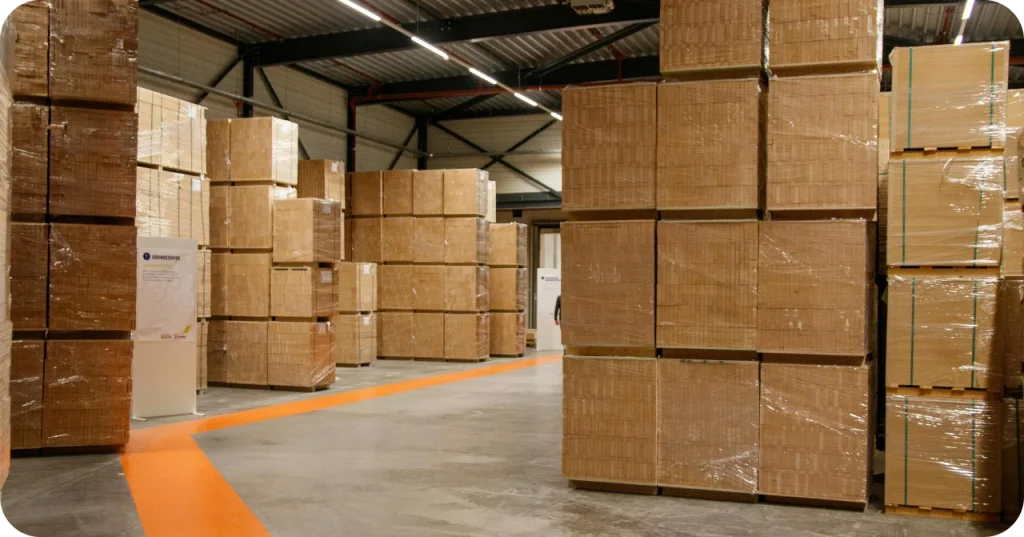
Export packaging protects product quality during transportation and storage. Therefore, exporters select packaging based on logistics mode and buyer preference.
The most common format uses 25 kg multiwall paper bags. These include inner plastic liners. Alternatively, some buyers request PP woven bags with liners.
Sea freight serves as the primary shipping method. Containers protect cargo from weather. Meanwhile, air freight suits urgent shipments. However, it costs more.
Proper palletization improves cargo safety. Exporters wrap pallets with stretch film. Additionally, they may add desiccants to control humidity.
Packaging vs Weight vs Container
| Packaging Type | Net Weight | Container Suitability |
| Paper sack + liner | 20 kg / 25 kg | 20 ft / 40 ft sea container |
| Carton Box + liner | 20 kg / 25 kg | 20 ft / 40 ft sea container |
| Smaller bulk bag | 20 kg | Sea or limited air freight |
Export Documentation and Shipping Process
Export documentation ensures smooth customs clearance and legal compliance. Therefore, buyers, exporters, and freight partners rely on accurate paperwork.
Each shipment includes a commercial invoice. Exporters also provide a packing list. Additionally, customs officers review these documents carefully.
Transport documents confirm shipment ownership.
Key Documents
- Bill of Lading or Air Waybill
- Certificate of Origin
- Certificate of Analysis
- Organic certificate (if applicable)
Some markets request phytosanitary certificates. However, regulations vary by country. Thus, exporters coordinate documentation before shipment.
Tips to Secure Long-Term Supply Contracts
Long-term contracts support stable supply and price planning. Therefore, buyers and manufacturers use them to reduce risk.
Buyers should state annual volume estimates. They must also confirm product specifications. For example, these include moisture, colour, and microbiological limits.
Agree on delivery schedules in advance. Regular shipments reduce storage pressure. Furthermore, both sides plan production better.
Evaluate supplier certifications.
Supplier Evaluation Points
- ISO 22000 or equivalent
- Organic certification (if required)
- Laboratory testing capability
- Production capacity
Strong relationships improve supply resilience. Moreover, clear communication prevents disputes.
Read Also: Buying Natural Coconut Sugar from Indonesian Suppliers: A Practical Guide for Importers
Conclusion: Bulk Coconut Sugar Trade with Indonesian Exporters
Bulk coconut sugar from Indonesia supports global food manufacturers with plant-based sweetener supply. Buyers evaluate grades, pricing, packaging, and logistics carefully. Therefore, structured sourcing and documentation remain essential.
Stable partnerships depend on transparent communication and consistent specifications. Consequently, reliable exporters help manufacturers secure long-term supply.
For companies seeking dependable sourcing, Realsa Natural is available through Email, Instagram, LinkedIn, and WhatsApp. Additionally, our team can share specifications and export planning. You may also arrange orders for Natural and Organic Coconut Sugar based on your requirements.
 Realsa Natural – Export Sales