
Sustainable Coconut Sugar Exporter Indonesia Supporting Ethical and Traceable Supply Chains

Indonesia is one of the world’s major coconut producers, and many rural communities depend on this sector. Therefore, coconut sugar links agriculture, environment, and global trade. Food manufacturers and ingredient buyers rely on this supply for plant-based sweetening solutions. As a result, sustainability and traceability now shape how international sourcing decisions are made.
Sustainability increasingly influences global food purchasing strategies. Previously, buyers focused mainly on price and volume. However, they now evaluate environmental and social impact as well. Consequently, exporters must demonstrate responsible sourcing practices.
Coconut sugar from Indonesia represents traditional farming systems. Moreover, it reflects community-based agricultural structures. Responsible exporters help preserve this production heritage. At the same time, they adapt to modern supply chain standards.
Sustainable supply chains require transparency, farmer engagement, and traceability systems. Therefore, exporters work closely with producers at farm level. In addition, they document sourcing and processing stages clearly. This approach supports long-term supply reliability.
Why Sustainability Matters in Coconut Sugar Production
Sustainability protects agricultural resources for future production cycles. Coconut trees grow well in tropical climates with minimal chemical input. Therefore, farmers maintain a more balanced ecosystem. This method supports long-term land productivity.
Coconut tree root systems help stabilize soil structure. As a result, they reduce erosion risks in rural farming areas. Additionally, coconut plantations absorb atmospheric carbon. These factors contribute to more stable agricultural landscapes.
Producers collect sap without cutting trees, which protects plantation longevity. Furthermore, traditional tapping methods keep trees productive for years. Sustainable harvesting therefore maintains continuous raw material supply. This supports long-term sourcing stability.
Water use in coconut sugar processing remains relatively controlled. Producers mainly rely on sap evaporation instead of complex refining. Consequently, they avoid heavy chemical treatment. This results in simpler processing systems.
Sustainability also includes fair economic structures. Farmers require stable pricing and long-term purchase commitments. Ethical exporters therefore build structured partnerships. These relationships support community income security.
Farmer Partnerships and Traceable Sourcing
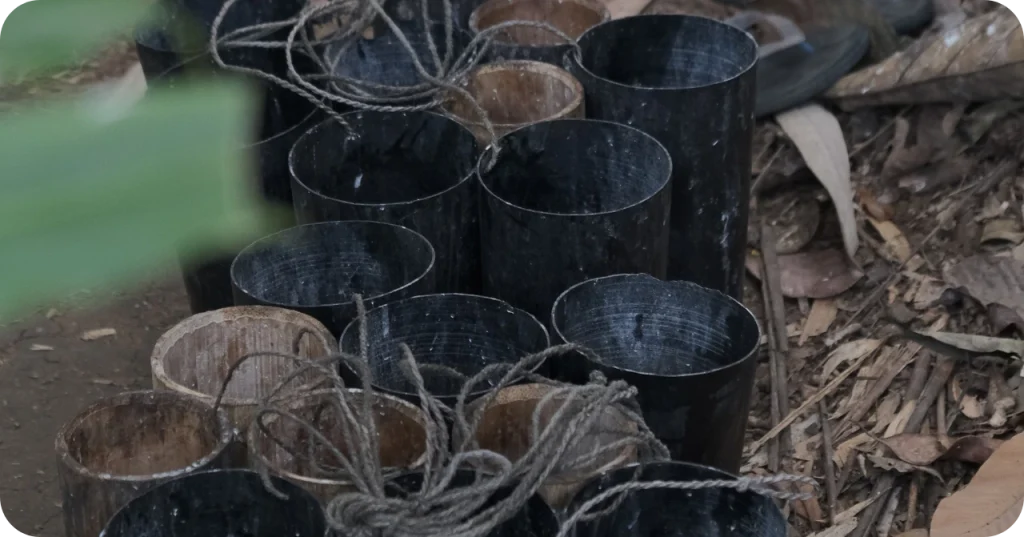
Farmer partnerships form the basis of traceable supply chains. Indonesian coconut sugar often comes from smallholder-managed farms. Therefore, exporters organize farmer groups and training sessions. These programs improve tapping hygiene and post-harvest handling.
Traceability systems follow a structured step-by-step flow:
- Sap collection is recorded by location and date
- Batches receive identification during processing
- Production records track evaporation and crystallization
- Packaging labels link finished goods to batch data
- Export documents reference production codes
Consequently, buyers can verify product origin more easily. This reduces supply chain risks in international trade. In addition, traceability strengthens brand credibility.
Community engagement also supports supply stability. Exporters sometimes assist with education or local development initiatives. Therefore, rural livelihoods improve over time. Stable communities contribute to more reliable sourcing.
Read Also: How Indonesian Coconut Sugar Exporters Ensure Consistent Supply for Global Buyers
Sustainability in Eco-Friendly Processing and Waste Utilization
Processing methods strongly influence environmental performance. Therefore, sustainable producers use controlled heating systems. They manage fuel use to reduce energy waste. This improves production efficiency.
Some facilities use biomass from coconut waste as fuel. Coconut shells can replace part of fossil fuel consumption. As a result, overall emissions may decrease. This supports more resource-efficient processing.
Waste utilization forms another sustainability pillar:
- Coconut shells used as boiler fuel
- Fibers reused in agricultural applications
- Organic residues converted into compost
In addition, facilities manage wastewater before disposal. This prevents contamination of nearby water sources. Proper treatment supports environmental protection.
Certifications and International Standards
Certifications provide structured sustainability verification. Buyers use them to validate production and safety claims. Therefore, certified suppliers gain stronger international acceptance. Documentation also supports regulatory compliance.
Common standards in this sector include:
- EU Organic for organic agricultural control
- ISO 22000 for food safety management
- Halal certification for dietary compliance
- US FDA registration for US market entry
Moreover, certifications require regular audits and improvements. This process strengthens operational discipline. Buyers should review valid certificates and audit summaries.
Benefits for Global Brands and Importers
Sustainable sourcing supports transparent brand positioning. Consumers increasingly prefer traceable ingredient stories. Therefore, brands can communicate responsible supply chains with more confidence. This aligns with global clean label trends.
Traceable coconut sugar also reduces operational risks. Certified suppliers understand export documentation requirements. Consequently, import procedures run more smoothly. This supports stable production planning.
Long-term supplier relationships improve forecasting accuracy. Importers can plan volumes more effectively. Meanwhile, exporters can allocate production resources efficiently. This coordination benefits both parties.
Ethical sourcing strengthens emotional consumer connection. It reflects respect for farmers and the environment. Therefore, it supports modern brand narratives.
Conclusion: Sustainability for Trade and Supply Stability
Sustainable coconut sugar supply combines environmental care, traceability, and farmer partnerships. Therefore, it supports stable sourcing and regulatory compliance. Buyers benefit from transparent documentation and consistent production practices. This approach strengthens long-term trade relationships.
Companies seeking structured and traceable coconut sugar supply can engage with experienced Indonesian exporters. Through proper documentation, certifications, and batch tracking, sourcing risks decrease. For further discussion, product specifications, and Organic Coconut Sugar supply information, Realsa Natural’s team can be contacted via Email, Instagram, LinkedIn, and WhatsApp.
 Realsa Natural – Export Sales